In praise of Mara Carlyle

Totally biased post, what with having known Mara since we were 12 years old and we first discovered our mutual love of talking twaddle and laughing like loons. But delighted to see this piece about her in yesterday’s Guardian. One thing the commenters on the decline of an industry often fail to consider is how very, very painful said demise can be to those experiencing it firsthand. So while from the outside it sure looks like the music industry is rank with inefficiency and ineptitude and might as well be razed to the ground, it’s still tough for talents such as Mara who are left to twist in the wind. I suggested she Kickstarter her way into releasing her most recent album, but despite having wrested it back from the maw of EMI, there are still royalty agreements that make such an idea effectively a nonstarter. Shame, because it really is the most glorious piece of music. And despite my bias, I really wouldn’t say that if I didn’t mean it.

Anyway, in honor of Mara on this Friday afternoon, here are the IKEA ad and Vaughan Williams-inspired piece that are mentioned in the Grauniad piece, and a couple of cracking videos from days gone by.

Google Made Me Late. Twice.

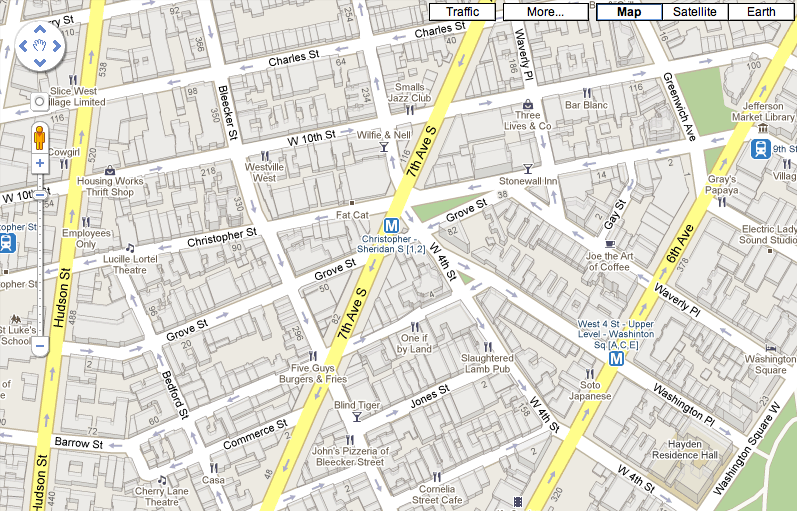
What’s wrong with this picture, an accurate looking, detailed snapshot of a Google Map of a perfectly charming neighborhood in Manhattan? Let me tell you. It isn’t accurate. The subway information is wrong. And how do I know this? Because I trusted it was correct and ended up whizzing right past Christopher Street on the 2 train and having to do the panic-stricken reverse local train ride of shame familiar to anyone who’s ever taken the subway in NYC.

Now I’m perfectly prepared to admit that I am often directionally and public transitly challenged. That is *precisely* why I still consult a map, eight years after moving to live here. But this is the second time this has happened to me in recent weeks. I had ended up being wildly, mortifyingly late to hear Jake Barton talk about his work on the National September 11 Memorial Museum. That time, again after consulting Google Maps, I took the N train to City Hall, only to end up chugging over the bridge into Brooklyn. And that time I thought I must have simply read the map wrong or that perhaps recent changes to the line had made things screwy.

But this latest incident sent me back to check. And sure enough, Google has the N train serving City Hall. The MTA does not.

Now, I know, I know. It’s a free service and it’s really amazing and Google Earth is fantastic and look, I can see the house I grew up in and I’m sure there’s some perfectly reasonable explanation for the error. But I am a picky, demanding, unforgiving 21st century type, and now I’m suspicious of Google Maps and I suspect that their accurate-seeming information is actually baloney. And as we all know, trust is the currency of the age and once it’s gone it’s ever so hard to win back. So, dear Google. Don’t make me frown at you and wonder if you mean what you say. Please fix your map and don’t make me late again.

The Innovator’s Mindset: Can You Turn Mud Into Gold?

[[Originally posted on Core77.com]]

It took a moment of family trauma for Colonel Dean Esserman to figure out how he needed to transform the Providence police department. The upset arose when the police chief’s son made a sad phone call from Washington D.C. to report a stolen bicycle. Esserman was pissed. Not with his son, of course (though he quickly and ruefully realized he’d be the one taking care of replacing the bike). But because it suddenly dawned on him that this type of situation epitomized what’s wrong with the contemporary policing system.

Read the rest of this piece here.

Reporting from the first day of the Business Innovation Factory’s annual shindig

[[Originally posted on Core77]]

“What I created, I need to destroy.” Richard Saul Wurman was on fine, curmudgeonly form on the opening day of BIF6. In particular, he seemed indignant that the 18-minute speech format he coined with the TED conference has been so widely replicated around the global conference circuit. “Speakers are practicing!” he said, in outrage. “They know it’s going to be taped and on the fucking television or computer!” This, said one of the world’s most convincing hams, quashes both creativity and sincerity. “When you want me to stop talking, say ‘that’s it’. Be an editor,” he challenged BIF’s organizers, who limit their speakers to a mere 15 minutes. And to his credit, conference founder Saul Kaplan picked up the gauntlet, standing up after Wurman’s time was (well) over and quietly proclaiming “that’s it.” (Wurman, to give him his due, meekly capitulated.)

Read the rest of this post, complete with photos, over at Core77.com

In which I become a Badly Drawn Boy Chicken

Last week I went to Martha’s Vineyard, where my attempts to hang out with President Obama and his family were rudely thwarted by the terrible weather. Luckily, the first family wasn’t actually my reason for visiting. Instead, I went there to stay with an entirely different family, of musicians and artists, whose spare room is an old school bus (shown, in the middle of the night, in the middle of a(nother) storm) in their driveway in the middle of the forest in the middle of the island. At times, it was a bit like staying on a boat, as when the wind and the rain really got going I felt like I might simply float off, never to be seen again.

While I was there, I was co-opted into helping with an art project. And I should be clear, despite my many years writing about design, I myself can barely draw a stick man. So when I offered assistance to Sam, one of my hosts, who’s been commissioned to create an animation music video for the new single by British musician Badly Drawn Boy, I thought he’d realize I was just being polite.

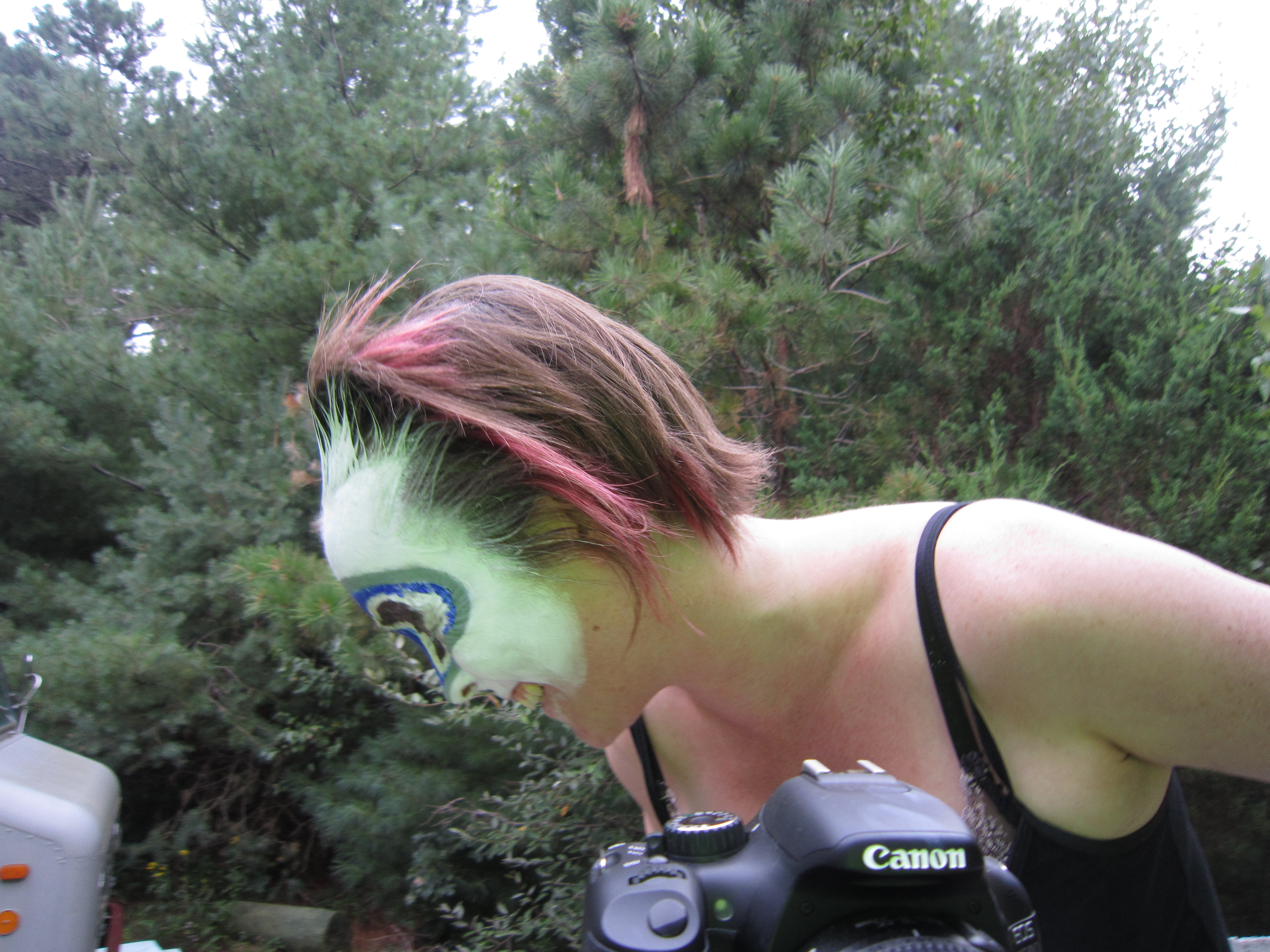
Instead. he promptly said he “needed creatures”, and before I knew where I was I was being daubed in thick clown makeup and filmed against homemade green screen, blinking and trying to act like some kind of weird woodland being. (That’s me in the picture, trying to make sure we were filming correctly, as Sam wasn’t actually there to oversee proceedings, what with being too busy, you know, trying to create an actual animation video.) “Peck slowly! Like a slow chicken!” shouted my friend Mara, herself a fabulously accomplished singer and video artiste, who was fully immersing herself in the role of camerawoman (and who’d applied the make up that converted me into bizarre other world oddity). “Now… Teeth! Nothing! Teeth! Nothing!” The whole scene was completely surreal and ludicrous and hilarious… and try as I might, I couldn’t help but think that even as we’d tried our best and had a lovely time fooling around and laughing like maniacs, nothing would ever come of it.

Then I saw what Sam did with our amateur footage. And I really have become a chicken. A flapping, animated, completely weird chicken. And I couldn’t be more proud. It’s still entirely possible that I won’t make the Badly Drawn Boy cut, and I won’t be either sad or surprised if I don’t. (If I do, why, I’ll post here, of course.) But in my heart and for all eternity, I’ll now always be a Badly Drawn Boy Chicken. And I can’t lie; I think that’s pretty fantastic.

UPDATE: I made the cut! And, truthfully, I’m less BDB Chicken and more BDB-Blinky Bird. Still, see what Sam made below. I’m honestly less impressed with my own performance than I am with the beautiful, luminescent colors of the shots with singer Damon in them. Gorgeous.

In Japan, even the bathroom signs are cool

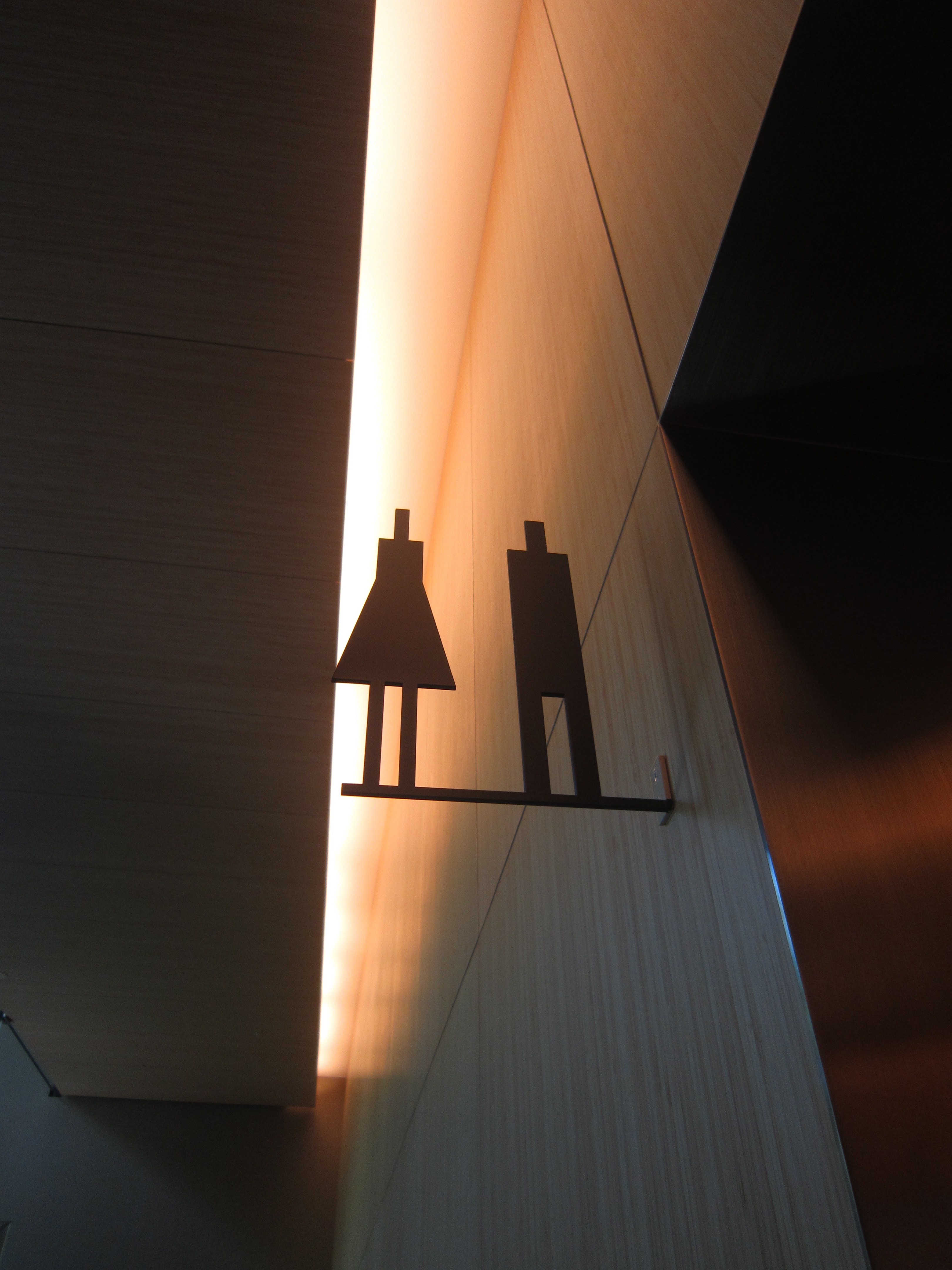
In today in wow, a visit to the stunning Nezu Museum in Tokyo, where I admired some incredible Buddhist masterpieces and was blown away by the beautiful, newish building, designed by KUMA Kengo. The garden is also completely stunning, filled with ancient artefacts and teahouses and gloriously green. Hard to believe you’re in the city, really. No photographs of the exhibits allowed, but I did love the sleek, stylish signs for the bathrooms. Cool, huh?


On the anniversary of the dropping of the atomic bomb in Hiroshima: 08:15-August 6-1945

I didn’t realize I was going to be in Hiroshima in the week of the 65th anniversary of the dropping of the atomic bomb. And I suppose it doesn’t make any difference to my thinking that I was. Yet birthdays are always a ripe time for reflection. And 65 years is both a long time and a mere heartbeat. To my mind, the event for which Hiroshima is renowned feels like it took place in another world, and I find the fact that there are still survivors left to tell the tale of what happened to them when the bomb landed somehow astonishing. The hibakusha, as they are known, are a dying breed, of course, as are the veterans of every nation involved in that particular world war, but it’s so old school. We’ve come so far since then, right? Oh. Right.
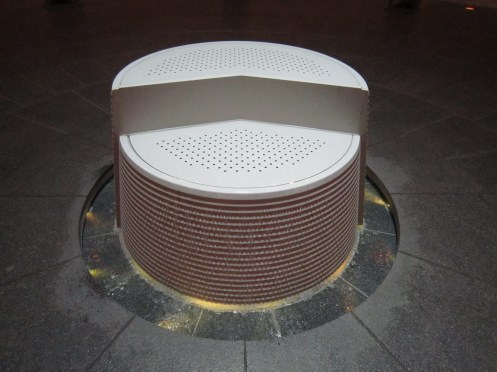
What struck me as I toured the permanent exhibit at the Peace Memorial Museum in Hiroshima and the various installations that make up the city’s Peace Memorial Park was a theme I’ve touched on before and one I’ve thought about in this context ever since Ian McEwan published his devastating op ed in the Guardian just after the awful event of September 11, 2001. As McEwan put so beautifully, what makes any of us matter in this world is our relationships with other people. As he wrote about the people on those planes on 9/11, their desire to reach out to those who meant the most to them is essentially what elevates the human being. “Those snatched and anguished assertions of love were their defiance,” he writes of those last, anguished phone calls.
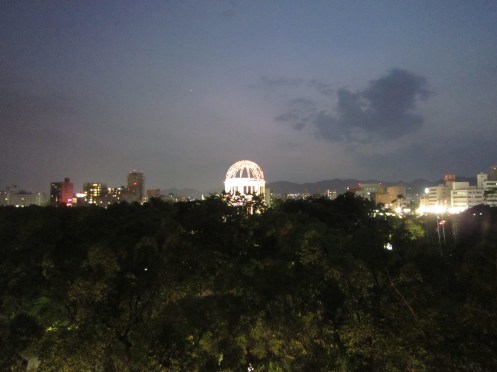
Yet the decision-making process leading up to dropping the atomic bomb on Hiroshima effectively stripped the city’s people of their humanity. Take this excerpt from the June 6th 1945 entry of the diary of Ally Secretary of War, Henry Stimson, highlighted at the Peace Memorial Museum exhibition: “I was a little fearful that before we could get ready the Air Force might have Japan so thoroughly bombed out that the new weapon would not have a fair background to show its strength.”

Through propaganda, a fervent belief in the Allied cause, or whatever it was, Stimson had dehumanized the Japanese nation to the extent that bombing them didn’t mean the obliteration of hundreds of thousands of people, it meant a delightful emphasis of firepower. It’s a common strategy in war. By all accounts, the Japanese had so dehumanized the Chinese that an event such as the Nanking Massacre in 1937 saw its soldiers sink to depths of terrible savagery (Chinese estimates put the death toll there at 300,000). The 9/11 terrorists surely weren’t thinking of individuals or families as they flew planes into buildings. Rwanda, Bosnia, Iraq, sadly the list goes on and on. One effective way to motivate an army is to turn the enemy into caricature subhumans.
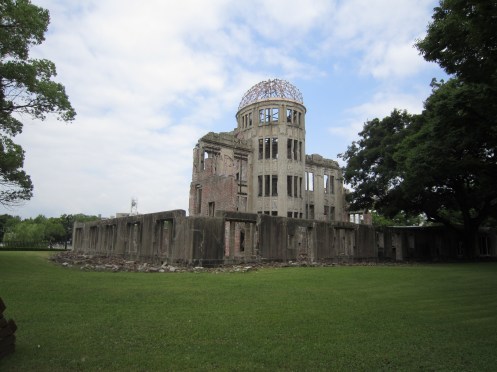
These days, though of course soldiers are still only too present in many a warzone around the world, the disconnect from the battlefield is only growing. When the plane doesn’t need a pilot, it’s even easier for war to be both entirely abstract to the perpetrator and utterly devastating to those on the ground. After all, there’s no need to rally robots. Just set them to “destroy”.

Anyway, back in 1945, Stimson got his wish. The new weapon showed its strength and the era of disconnected warfare went up a gear. 140,000 people are estimated to have died in Hiroshima by the end of 1945.

I thought I was coping pretty well with the exhibit, which is filled with the bloody rags of the clothing people had been wearing when the bomb went off, along with their battered possessions. And then I watched the video testimony of one survivor. I’m not sure when it was filmed, though clearly fairly recently. She described how her son had died in his bed, the buttons of his pajamas burned into his skin. A few days later, her daughter died and last, a few weeks after that, her husband. Her lip trembled as she spoke to the interviewer. “We used to be such a happy family,” she said quietly. “The A-bomb destroyed my life.” And that did it. Her simple, quiet recognition of what had happened to her was a gut-wrenching reminder of the human devastation wrought by an event that the records of the industrial military complex have sought to classify as just an interesting landmark on the path to progress.

And so, on the anniversary of Enola Gay flying to drop her deadly cargo, I have the awful sense that even as we’ve come so far, we haven’t really come anywhere at all. But in an effort to use the sadness of this depressing anniversary as the catalyst for something positive,  a word for all my own extensive support network of amazing people: thanks and love; you rock.

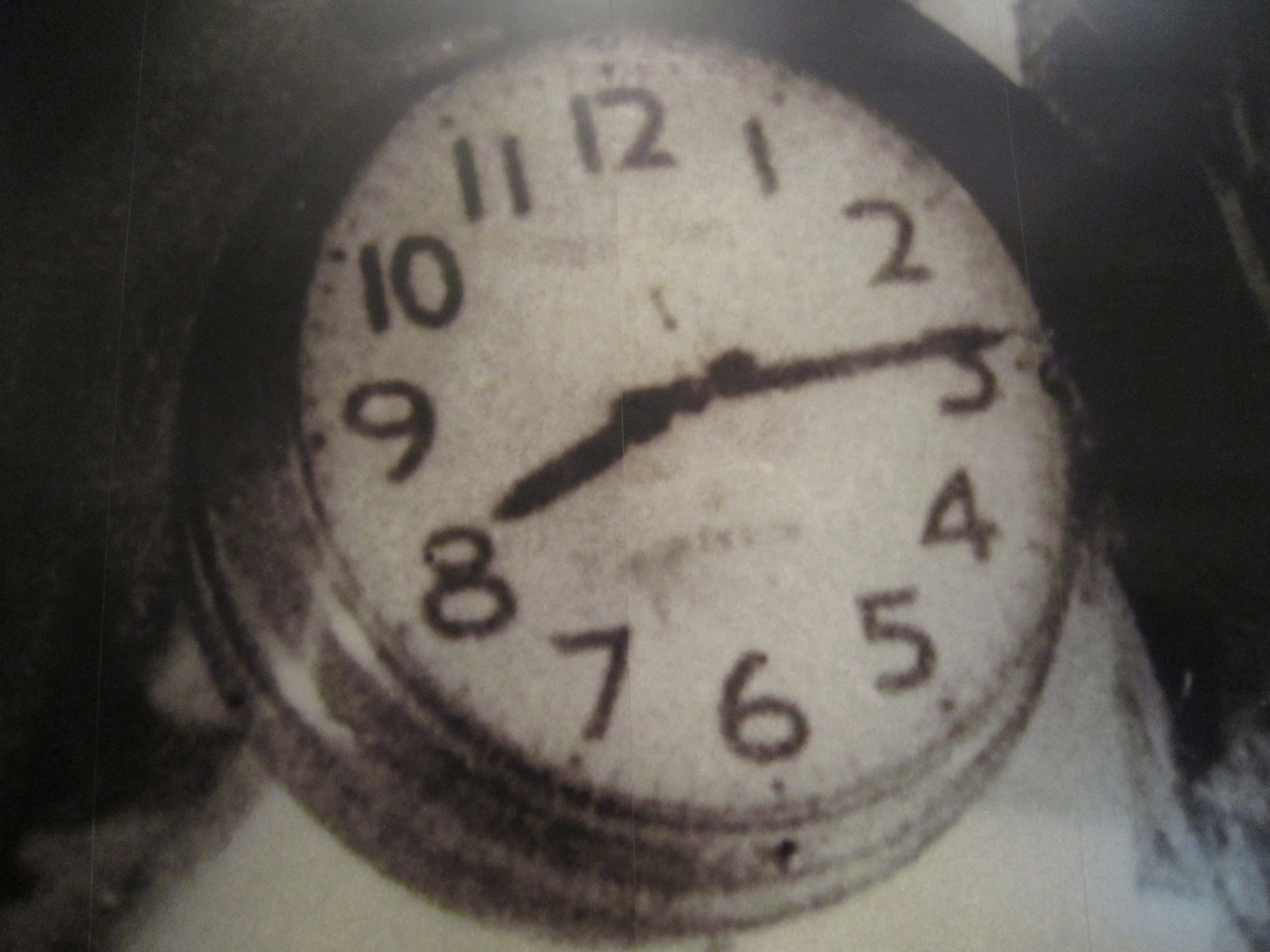
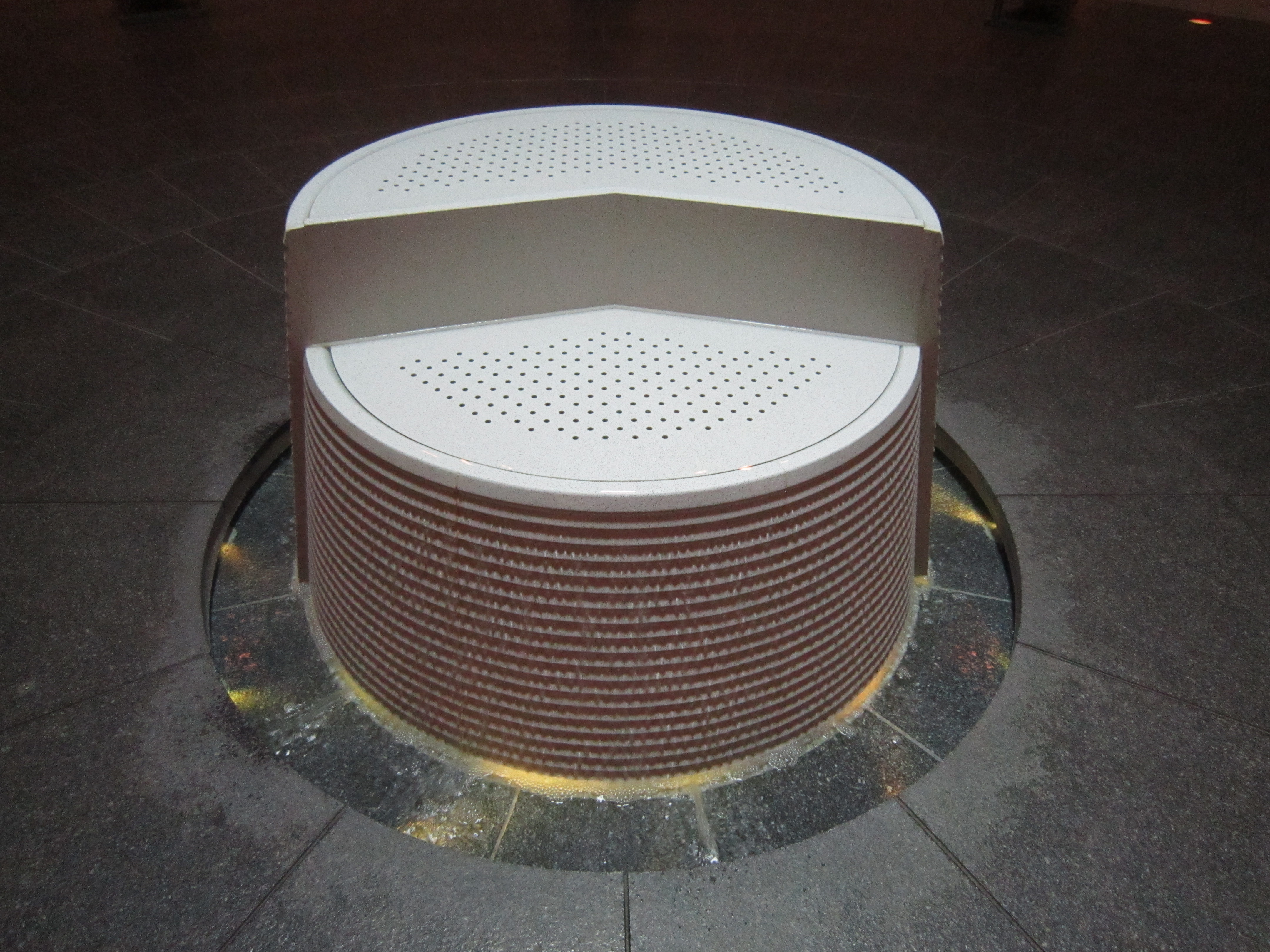
Pictures: the 08:15 time of the bomb blast is used as a motif throughout many of the installations in the Peace park, including graphics in the Peace Memorial Museum and a fountain in the Peace Memorial Hall for Atomic Bomb Victims. My hotel was right beside the A-Bomb Dome, which pretty much took a direct hit from the bomb. Everyone inside was killed, while the walls and roof were blown out. The structure stands, and has now been shored up as a physical symbol of the day’s events. The skeletal dome itself is lit at night. I didn’t take pictures of much of the exhibit; it felt wrong, somehow. The glass bottles were fused together in the blast.

Zen perfection

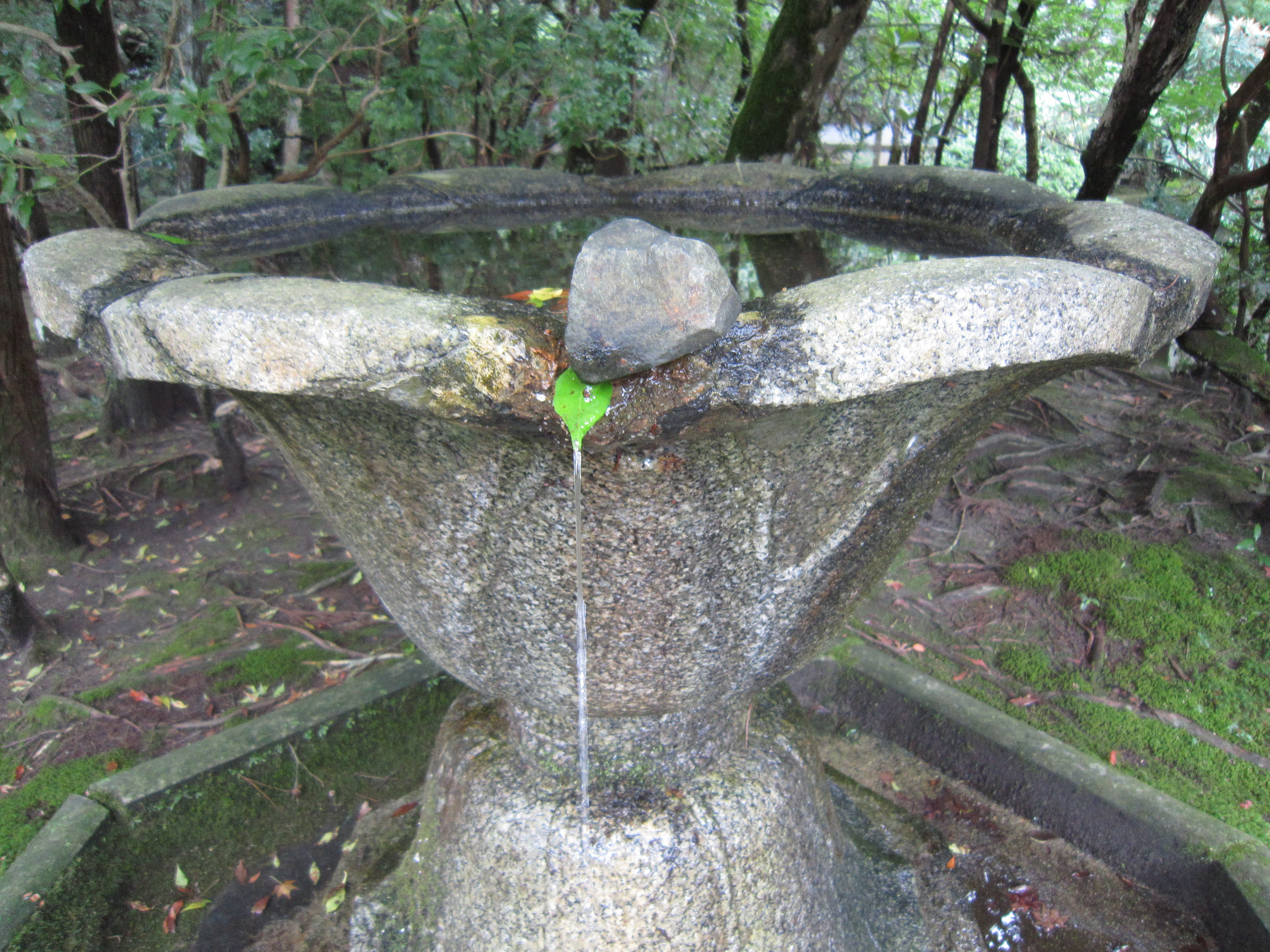
I don’t mean to become one of those people who waxes way too lyrically about the beauty of Japan. As it happens, not everything in the country was designed by Naoto Fukasawa. But check this out, a fountain I spotted tucked away in a corner of a remote Zen temple in Kyoto. See it? The water spout is a leaf. I repeat: The. Water. Spout. Is. A. Leaf. I mean. With attention to detail like that, you just can’t go wrong.

Kyoto: A Random Act of Kindness

I loved the Random Hacks of Kindness event that happened last year, sponsored by tech heavyweights including Microsoft and Google, to bring together a community of developers and geeks to work on the Big Problems of our time.

I’m not actually sure where the concept of “random acts of kindness” first came from (anyone?), but I just got recruited to the cause, after an elderly angel came to my rescue in Kyoto.

The thing about tropical weather, see, is that it can pelt it down without so much as a by your leave. You might think I’d be somewhat prepared for this, what with living in increasingly inhospitable New York. And as it happens, I was very proud of myself for traveling with an umbrella. Only I didn’t actually have said umbrella with me on the morning in question. In fact, I was a number of miles away from it when the heavens opened and I found myself doing an extremely convincing impression of a drowning rat. (The picture above is not blurry because I’m a bad photographer, but because it was pouring with rain.)

Anyway, skip over the part where I attempted to find out where the nearest train station was, only I’d overlooked the fact that I don’t know the Japanese words for either “train” or “station,” which led to a supremely awkward encounter with a man who’d clearly have loved to help if only I could tell him what in god’s name I needed. And skip to the bit where I’m squelching down the street in a state that’s by now bordering on hysterical laughter at how ridiculous this is/I am.

Suddenly, a woman passing by grabs me by the arm, yelling at me in Japanese. Then she points at her umbrella, at which I nod and agree that it’s a lovely umbrella and she’s very lucky. Then she drags me about 100 yards up the road, yelling all the way, which if universal body language/tone are anything to go by includes telling me I’m a very silly girl to get caught in this storm and what the hell do I think I’m playing at, which isn’t really a sentiment I feel I can argue with, to be honest, so I agree busily. And then we get to this hole in the wall alcove, which has a glass counter but not much else, and she drags me under the awning and promptly reaches underneath the counter to pull out a bucket of umbrellas, the big show off. And then she hands me one. At which point I do have a phrase that works: “How much is it?” at which she shrieks again and shakes her head and near enough shoos me out of her shop and back into the rain. At which point the language breakdown happens all over again, with me repeating incessantly, I think, “I’m very well, thank you very much” and heading on my way, squelching off down the street, warm in heart that people really are, in essence, pretty great. I was too bedraggled, befuddled and other words beginning with “be-” to get a photo of my rescuer, but instead, above, a shot of my very beloved, very most favorite souvenir, very pistachio-colored umbrella.

All a long way of saying that I clearly have some karma to repay. So watch out random tourist in distress in NYC. I surely won’t have a bucket of umbrellas on me, but I’ve totally got your cab fare.

Japan — and a case of hedonic adaptation

Having quit my job recently, I promptly granted myself the summer off to recharge. (Hey, you can take the girl out of Europe, but you apparently cannot take the belief that a proper summer holiday is an inalienable right and that the U.S. is pretty much a land of the barbarians when it comes to this issue out of the girl.)

Ahem. Anyway, I find myself in Japan, a place I’ve only previously experienced through manga and movies. So it was with wild over-excitement and a dash of trepidation that I approached Tokyo. Think of the fabulously hilarious things I could write about getting things entirely wrong in an environment where I neither speak nor read the language! And, sure, I now have a healthy collection of tales of spectacularly stupid things I did on arrival and, well, continue to do throughout my trip.

But I’m actually more interested in noticing a case of what MIT behavioral economist Dan Ariely calls “hedonic adaptation.” You’ve experienced this too. It essentially describes the condition of adapting to your environment as time passes. In his latest book, The Upside of Irrationality, Ariely conducted various tests which suggest that if we were smart, we’d space out the things we like (take a break during a massage, redo our home little by little rather than in one big, furniture-buying splurge) so that we get a bump of renewed pleasure each time. On the other hand, we’d be better off getting shot of chores we don’t like doing all at once. Ripping off the bandaid all at once smarts less when it comes to less literal pain like filing taxes, too. In one experiment, Ariely concluded that after a certain amount of time any overweening joy or pain subsides and experiencers settles back into more or less the same state they were in before, be they recent lottery winner or new paraplegic.

Now I certainly haven’t been in Japan long enough to experience a full dose of hedonic adaptation. It’s all alien and different enough that my western eyes seem destined to be out on stalks for a long time yet. But I have already noticed my behavior morphing from unblinkingly wide-eyed, slightly overwhelmed and oh-my-god-is-this-really-happening to a more comfortable stance. Now I find myself zipping into subway cars with nary a second glance. (Then zipping out of them at the next stop on figuring out it was the wrong train. Sadly I don’t think hedonic adaptation means you’re any more likely to get things right.)

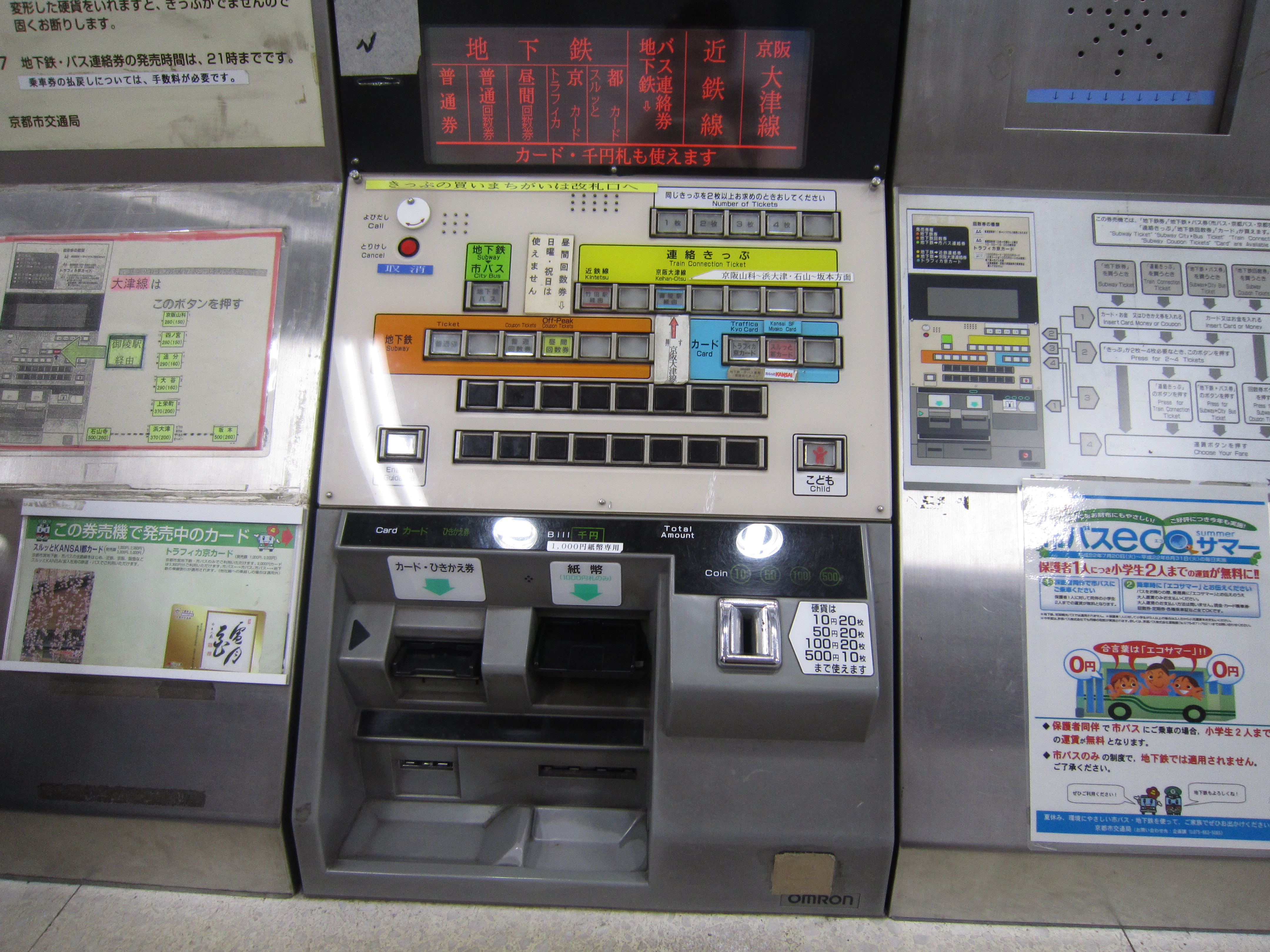
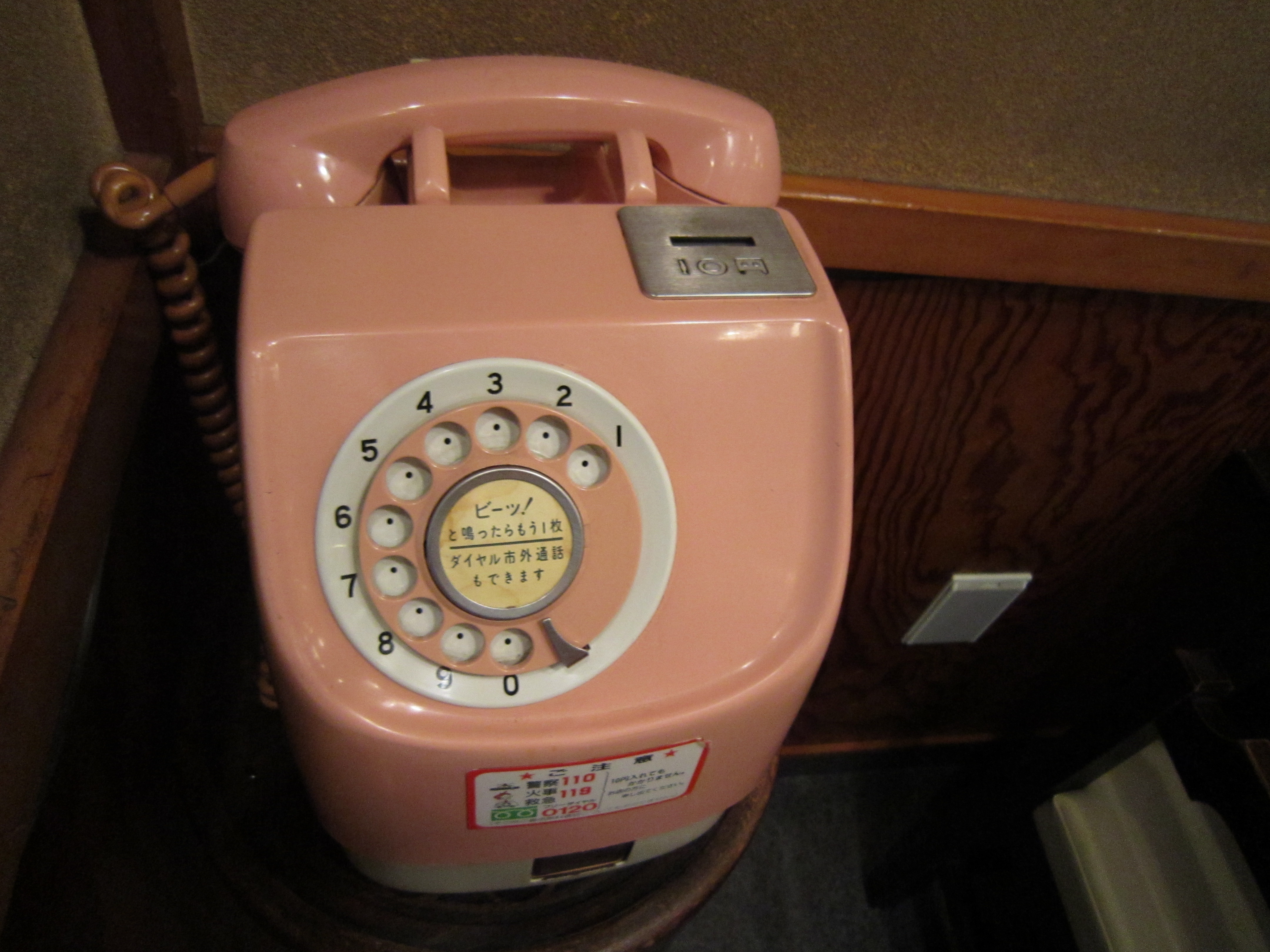
Now the question becomes how to capture and bottle this state: that sense of achievement and exhilaration that only comes when your senses are firing on all cylinders and your head spins a la Carrie in an effort to process every visual, sound, movement, person, thing, yet it’s not overwhelming, it’s just brilliant. (Photographs of some of the weird yet familiar sights in Tokyo shown here.) That’s what makes travel so addictive and can make the daily grind seem such a drudge. Remember that heartbreaking, Pulitzer Prize-winning article about parents who forgot their child was in the back of the car, who then died after being baked in the sun? Shortly after reading that piece, I remember coming to on the subway car on my way home from work. Just a regular day, and yet my last genuine recollection was of walking out of my office building. The rest had been autopilot. And autopilot isn’t something that happens when you’re slightly expecting a ticker tape parade to welcome your exit from the subway.

So on return to New York, I hereby solemnly swear to notice and appreciate the small details that make the city unique and great and weird and interesting. You may only be able to visit somewhere for the first time once, but that’s no reason to get all blase. Thanks for the reminder, Tokyo.